Tire Maintenance & Safety
What is a Tire Iron and Why Every Driver Needs One
Free shipping
Best price guarantee
SimpleCrew exclusive savings
0% APR Financing
Tire replacement coverage
24/7 roadside assistance
Easy returns
Tire Maintenance & Safety
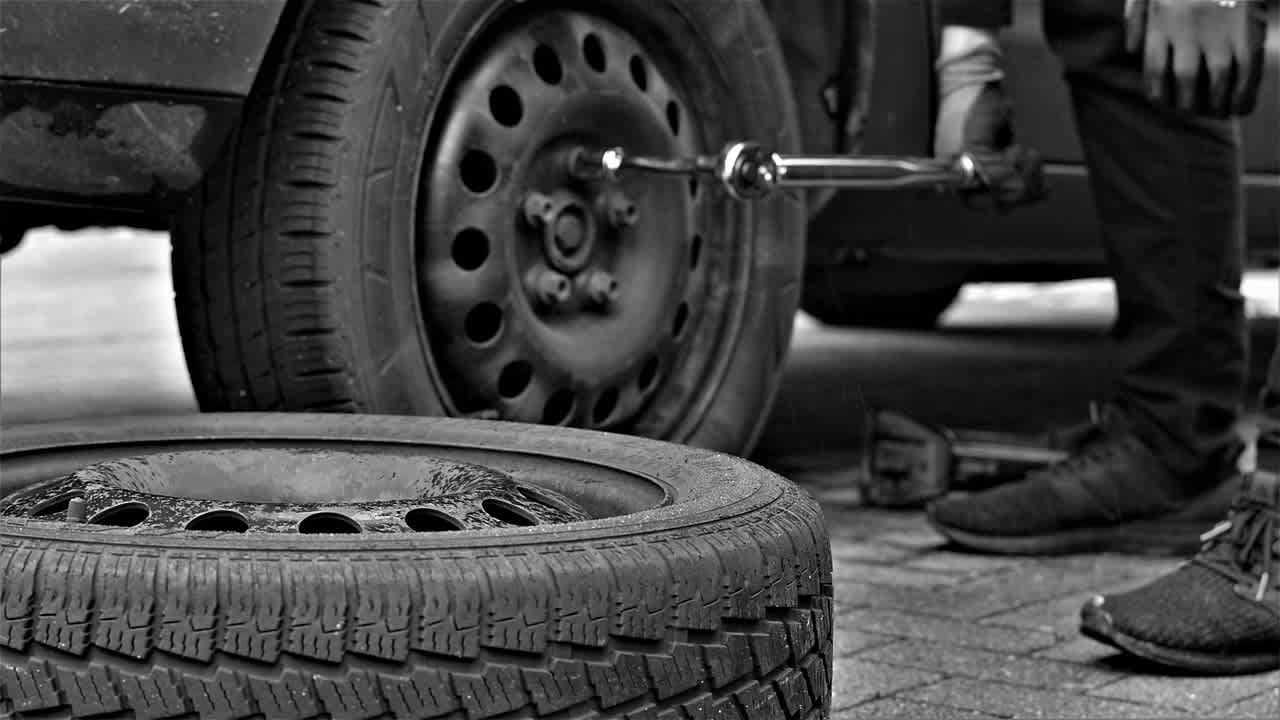
A flat tire can happen to anyone, anywhere, at any time. Being prepared with a tire iron ensures you can get back on the road safely without waiting hours for a tow truck.
A tire iron, also frequently called a tyre iron in various regions, is a heavy-duty metal tool specifically designed to loosen and tighten the lug nuts that hold a wheel in place. It is an essential piece of equipment for changing a tire, providing the necessary leverage to remove fasteners often tightened to high torque specifications.
Key Features of a Tire Iron:
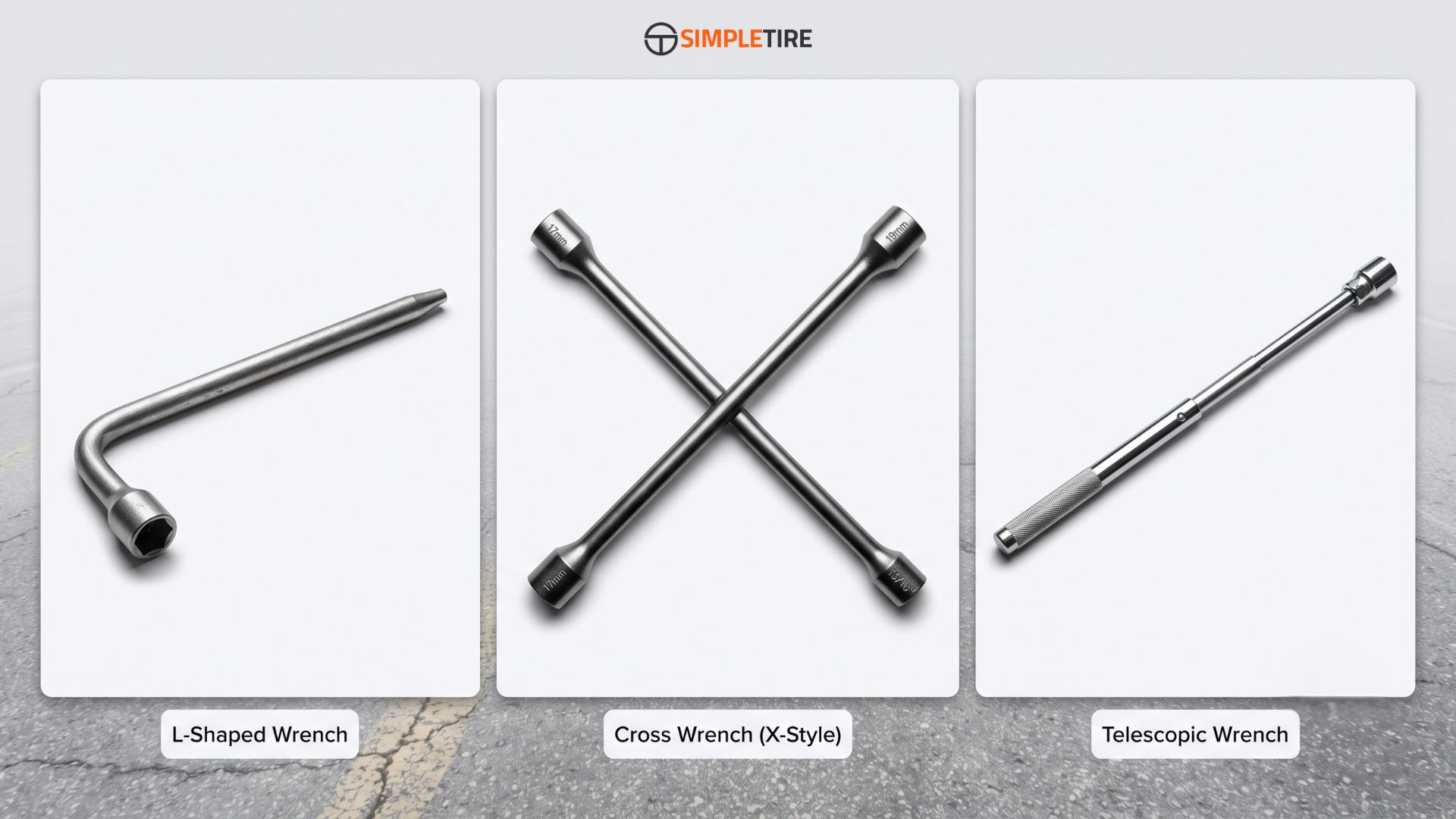
If you are searching for this tool in your trunk, you might wonder what does a tire iron look like? While designs vary, most share a distinct metallic, heavy-duty appearance.
When discussing lug wrench vs tire iron, the terms are often used interchangeably, but there is a slight technical distinction. A lug wrench is a specific type of socket wrench used to turn lug nuts. A tire iron is a more traditional term that can also refer to the metal bars used to pry a tire off a rim (common in motorcycle or heavy machinery maintenance). However, for most passenger vehicle drivers, both terms refer to the tool used to remove the wheel from the car.
Encountering a flat tire can disrupt your plans, but having a tire iron on hand ensures you’re not left waiting for help. This tool allows you to address the issue promptly, ensuring minimal interruption to your journey.
Depending on roadside assistance can lead to delays and extra costs, particularly in less accessible locations. By carrying a tire iron, you can handle the situation yourself, saving both time and money while you prepare to buy new passenger tires.
Being equipped to change your own tire provides reassurance and autonomy. This preparedness means you're ready for unexpected tire troubles, allowing you to resume your travels with confidence and ease.
Using a tire iron effectively starts with locating it in your vehicle—often found in the trunk or near the spare tire. Ensure your vehicle is parked securely on a flat surface with the parking brake engaged to prevent movement during the process.
Begin by aligning the tire iron over a lug nut and applying firm, steady pressure. Lug nuts can be tightly fastened, so some strength might be necessary. Loosen each lug nut slightly before lifting the vehicle with a jack, ensuring all nuts are easy to remove.
Once the lug nuts are loosened, use a jack to lift the vehicle until the tire is clear off the ground. Remove the lug nuts completely by hand, then carefully take off the flat tire. Position the spare tire onto the wheel hub, aligning the holes with the bolts, and hand-tighten the lug nuts to keep the tire in place.
Lower the vehicle back to the ground and use the tire iron to tighten the lug nuts securely. Tighten in a crisscross pattern; this helps evenly distribute pressure, ensuring the wheel is balanced and firmly attached, preventing any wobbling or imbalance while driving.
Selecting the appropriate tool involves considering several factors specific to your vehicle. The size and weight of your car play a key role in determining the type of tire iron you’ll need. Heavier vehicles may require a more robust tool to handle the extra force needed to loosen and tighten lug nuts effectively.
When browsing options, focus on a design that offers an ergonomic grip. This feature ensures ease of handling and minimizes strain during use. Opt for a tool constructed from resilient materials capable of enduring high torque. Ensure the tool aligns with the specific specifications of your vehicle's wheels to guarantee a snug fit. Investing in a premium tool ensures longevity when you are maintaining your all-season tires.
To ensure your tire iron remains a dependable tool, give it regular care and attention. Begin by keeping it clean to prevent any buildup of grime or moisture that might lead to rust. After using it, simply wipe it down with a cloth to maintain its surface.
Proper storage is key to preserving functionality. Choose a dry location in your vehicle where it can be easily accessed, such as a compartment in the trunk. This helps shield it from environmental factors that could cause deterioration over time.
Regular checks are important to spot any potential issues. Look for any signs of wear like cracks or bends, which can affect its performance. If you notice any damage, replacing the tool is advisable.
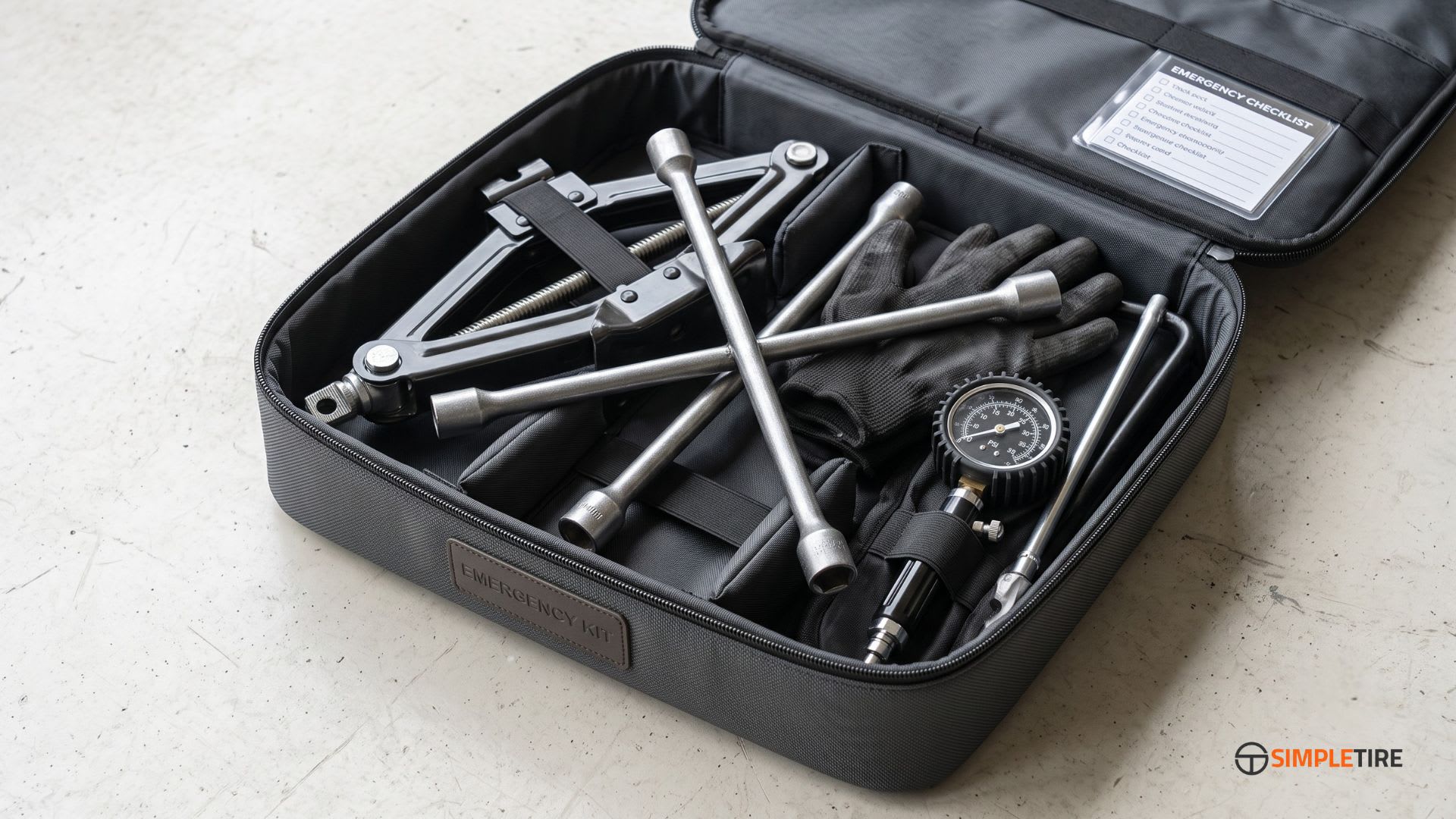
Beyond a tire iron, having a comprehensive set of tire tools is important for handling various tire issues effectively.
Navigating tire issues can often be handled independently, but certain conditions require expert attention. If you're unsure of the steps involved in changing a flat tire, or if you encounter obstacles like a rusted-on wheel, reach out for professional assistance.
Complex tire problems, like significant wheel damage, demand the skills of a trained mechanic. Professional expertise is vital to ensure that your vehicle remains safe and roadworthy. Routine tire maintenance from professionals, including rotations and detailed inspections, is essential for extending the lifespan of your tires.
Acquiring automotive tires and tools requires considering availability and expert guidance. Online platforms provide an extensive selection of tires, allowing you to explore various options and prices with ease.
Local automotive supply stores serve as reliable sources for tire irons. Engaging with experts ensures you choose a tool that perfectly matches your vehicle's needs. For comprehensive preparedness, think about including a tire iron as part of a complete roadside emergency kit.
By being prepared with the right tools and knowledge, you can confidently handle unexpected tire issues. When you're ready to shop for tires online, we invite you to explore our extensive selection and find the best deals at SimpleTire.
Yes. "Tyre iron" is simply the British English spelling of the tool. Both terms refer to the metal tool used to provide leverage for removing lug nuts or prying tires.
Most passenger vehicles use lug nuts that are 17mm, 19mm, or 21mm. An X-shaped cross wrench is often the best choice because it includes multiple sizes, ensuring a fit even if you change vehicles.
Search By