Tire maintenance & safety
Free shipping
Best price guarantee
SimpleCrew exclusive savings
0% APR Financing
Tire replacement coverage
24/7 roadside assistance
Easy returns
Your tires work harder than you might realize, with every component playing a vital role in keeping you safe on the road. Among these critical parts, the tire shoulder is an essential structural element that directly affects your vehicle's performance and safety.
Last updated 9/14/2026 - Originally published 9/22/2020
Written by Irfan Khan, Expertly reviewed by Brett Antosh
What is the Tire Shoulder?
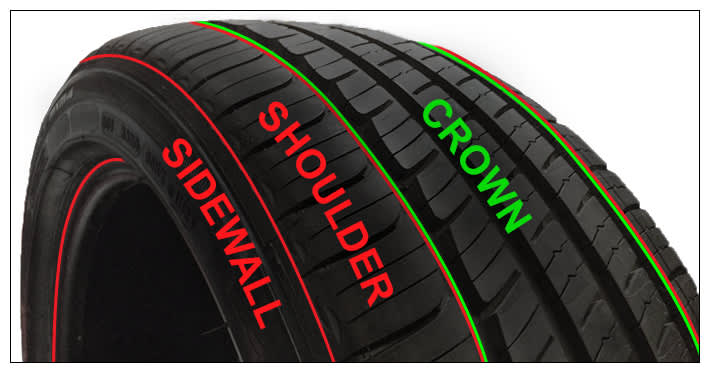
What is the shoulder of a tire? The tire shoulder is the outer edge area where your tire's sidewall meets the tread. This critical junction forms the transition zone between the vertical sidewall visible from the side of your vehicle and the horizontal tread surface that contacts the road.
Key Features of the Tire Shoulder:
- Structural Junction: Connects the tread face to the sidewall.
- Reinforced Construction: Features thicker rubber to handle lateral cornering forces.
- Heat Dissipation: Designed to manage the high temperatures generated during heavy maneuvers.
- Traction Support: Often contains specialized tread blocks for grip during turns.
Where is the Shoulder of a Tire?
If you are looking for **where the shoulder of a tire is **, locate the outermost groove of the tread. The area extending from that final groove to the point where the rubber begins to curve downward into the sidewall is what is considered the shoulder of a tire. This area includes the tread blocks positioned nearest to the tire's sides, which are essential for maintaining stability when you turn the steering wheel.
Why is the Tire Shoulder Important for Your Vehicle?
Structural Support
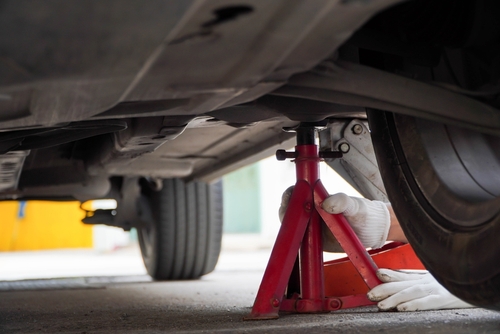
The tire shoulder serves as a crucial junction where the tread and sidewall meet, providing essential reinforcement to the tire's overall structure. It manages the stress from both the vehicle's weight and lateral forces encountered during driving maneuvers. This area’s durability is vital to keeping the tire's shape and function under various conditions, thanks to the reinforced materials used in its construction.
Performance Functions
Your vehicle's performance relies heavily on the shoulder of the tire for stability and control. It improves handling by providing the support needed during cornering, ensuring weight is evenly distributed across the tire's contact patch. Additionally, some performance tires incorporate features that help the shoulder evacuate water and clear debris, improving grip and safety in adverse conditions.
Safety Considerations
The tire shoulder is a key factor in your driving. Damage to this area can significantly undermine the tire's integrity, so it's crucial to watch for signs of wear or distress. Because the shoulder endures intense forces, repairs are impractical and unsafe, so you must replace the tire if it's damaged. Maintaining a healthy shoulder of the tire is imperative for safe vehicle operation, as it helps prevent unexpected handling issues and enhances overall road safety.
How Does Tire Shoulder Wear Affect Your Driving?
Common Wear Patterns
Tire shoulder wear reveals itself in various patterns, each signaling potential issues with your vehicle's condition. One-sided shoulder wear often signals misalignment, where the wheels deviate from their intended angles and contact the road unevenly. Shoulder step wear, identifiable by a lowered area in the shoulder tread rib, can occur in slow-wearing radial tires. Feathering along the shoulder edge suggests the tire may be under excessive lateral forces, often due to incorrect toe settings.
Impact on Vehicle Performance
The effects of shoulder wear extend beyond the tire, impacting your vehicle's overall performance and safety. Uneven shoulder wear diminishes the tire's grip on the road, compromising traction, especially during cornering or on slick surfaces. This reduction in road contact can affect steering precision, making the vehicle less stable and harder to control. If you notice significant wear, it may be time to browse all-season tires for a fresh, safe set.
What Causes Tire Shoulder Damage?
Driving-Related Causes
How you drive directly affects tire shoulder condition. Taking corners too quickly can put significant stress on the shoulder, leading to premature wear. Speeding through curves also amplifies these forces, causing the shoulder to degrade more rapidly. Regular driving on uneven or unpaved roads can cause shoulder chunking, where parts of the shoulder break away due to the rough surface. Overloading your vehicle with excessive weight increases pressure on the tires, further straining the shoulders and accelerating wear.
Maintenance Issues
Proper maintenance is key to extending the life of your tire shoulders. Keeping tire pressure within the recommended range is crucial; incorrect pressure can lead to uneven wear. Misalignment of your wheels results in irregular stress distribution across the tire, causing abnormal shoulder wear patterns. Suspension components that are past their prime allow for unwanted movement, exacerbating shoulder wear.
Understanding Tire Shoulder Characteristics
Design Features
Tire shoulders are carefully engineered to enhance both function and resilience, tailored to meet specific driving demands. Many designs incorporate unique geometric patterns, which optimize the tire's interaction with different road surfaces. For example, all-terrain tires might include aggressive tread patterns that provide superior traction in off-road environments.
Material Composition
The resilience of a tire shoulder heavily relies on the advanced materials used in its construction. Manufacturers often use a blend of high-strength compounds that improve the tire's resistance to wear and tear. These compounds provide the necessary flexibility for the shoulder to absorb shocks from road imperfections, contributing to a smoother ride.
Can You Repair a Tire Shoulder?
Why Shoulder Repairs Are Unsafe
The tire shoulder endures intense forces and flexing, making it unsuitable for typical repair methods. This area acts as a critical buffer against driving stresses, and damage here often affects internal components that aren't visible. Attempting to patch or mend the shoulder falls short of restoring its full structural capabilities. Industry protocols, including those followed for winter tires, discourage such repairs because they fail to address underlying issues.
When Replacement is Necessary
When a tire shoulder suffers any form of damage, replacement is the safest course of action. Even minor imperfections like small punctures can escalate into severe failures if not properly managed. A thorough inspection by professionals is essential to gauge the extent of shoulder damage accurately and determine the need for a new tire.
Essential Tire Shoulder Maintenance Tips
Regular Inspection Practices
Thorough inspections of your tire shoulders are key to maintaining their durability and performance. Start by carefully examining each tire shoulder for signs of cuts, bulges, or unusual patterns. Run your hand along the shoulder to check for irregular surfaces or sharp edges that might not be visible.
Proper Inflation Management
Keeping your tires inflated to the correct pressure is crucial for shoulder integrity. Under-inflated tires can cause the shoulders to flex excessively and accumulate heat, leading to premature wear. Conversely, over-inflated tires reduce the contact area and may cause center wear. Regular checks help ensure even wear across the tire surface.
Recognizing When to Seek Professional Help
Identifying early indicators of tire shoulder wear is crucial for maintaining safety and performance. Discrepancies in wear between the inner and outer shoulders can indicate alignment or suspension issues needing attention. If you experience unusual vibrations or a drifting sensation, it is time to have your tires inspected.
Your tire shoulders play a vital role in keeping you safe on every journey. Understanding their importance helps you make better maintenance decisions that extend tire life and improve vehicle performance. Regular inspections and proper care can prevent costly replacements while ensuring optimal handling and stability.
When it's time for new tires, we make it easy to shop for tires online and find the best deals that match your driving needs and budget. Visit SimpleTire's selection today to find the perfect fit for your vehicle.
No. Because the shoulder is a high-flex and high-stress area, patches and plugs will not hold securely. Repairing damage in this zone compromises the tire's structural integrity, making replacement the only safe option.
Wear on just one shoulder usually indicates an alignment issue, specifically problems with "camber" or "toe" settings. It can also be caused by aggressive cornering or worn suspension components.
You may also be interested in:
Essential Tips for Tire Balancing at Home
Learn essential tips for tire balancing at home to improve ride quality, extend tire life, and ensure a smooth, safe driving experience.
Written by Ankit Verma
October 5, 2026
Does tire rotation affect alignment?
Tire rotation is a common service performed by automotive professionals. But what does it do, and how does it impact your car's alignment?
Written by Ankit Verma
October 5, 2026
Understanding Tire Size Meaning and Importance
Decipher tire size codes! Learn what each number means and why it matters for safety and performance. Find the perfect fit for your vehicle.
Written by SimpleTire
September 23, 2026
Ready to find the perfect tires?
Search By