Tire Maintenance & Safety
Free shipping
Best price guarantee
SimpleCrew exclusive savings
0% APR Financing
Tire replacement coverage
24/7 roadside assistance
Easy returns
Does tire rotation affect alignment
Maintaining your vehicle means understanding how different services work together to protect your investment. A common question for many drivers is whether to schedule a tire rotation before or after alignment to ensure the best performance and longest tread life.
Last updated 10/05/2026 - Originally published 12/08/2022
Written by Ankit Verma, Expertly reviewed by Brett Antosh
Understanding Tire Rotation and Alignment Needs
While they are often performed during the same service visit, tire rotation and alignment address different mechanical needs. Tire rotation moves the tires to different positions to balance wear, while alignment ensures the tires point in the correct direction per factory specifications.
- Extends Tire Longevity: Prevents premature wear on specific corners of the vehicle.
- Improves Fuel Efficiency: Reduces rolling resistance caused by dragging misaligned tires.
- Enhances Performance: Ensures the vehicle tracks straight and responds predictably to steering inputs.
- Smooths the Ride: Minimizes vibrations and steering wheel pull.
Proper tire maintenance is essential to your vehicle's performance and longevity. Alignment and tire rotation play significant roles in maintaining even tire wear and optimal handling. While often confused or used interchangeably, they are distinct services. Understanding the differences can help you avoid costly repairs later.
The Ideal Sequence: Tire Rotation Before or After Alignment?
When scheduling maintenance, experts generally recommend rotating the tires before or after alignment based on convenience, since they are technically independent. However, most technicians prefer to rotate the tires first. By moving the tires to their new positions before the alignment, the technician can ensure the vehicle is aligned based on the tires' final resting spots for the next several thousand miles.
What is Tire Rotation?
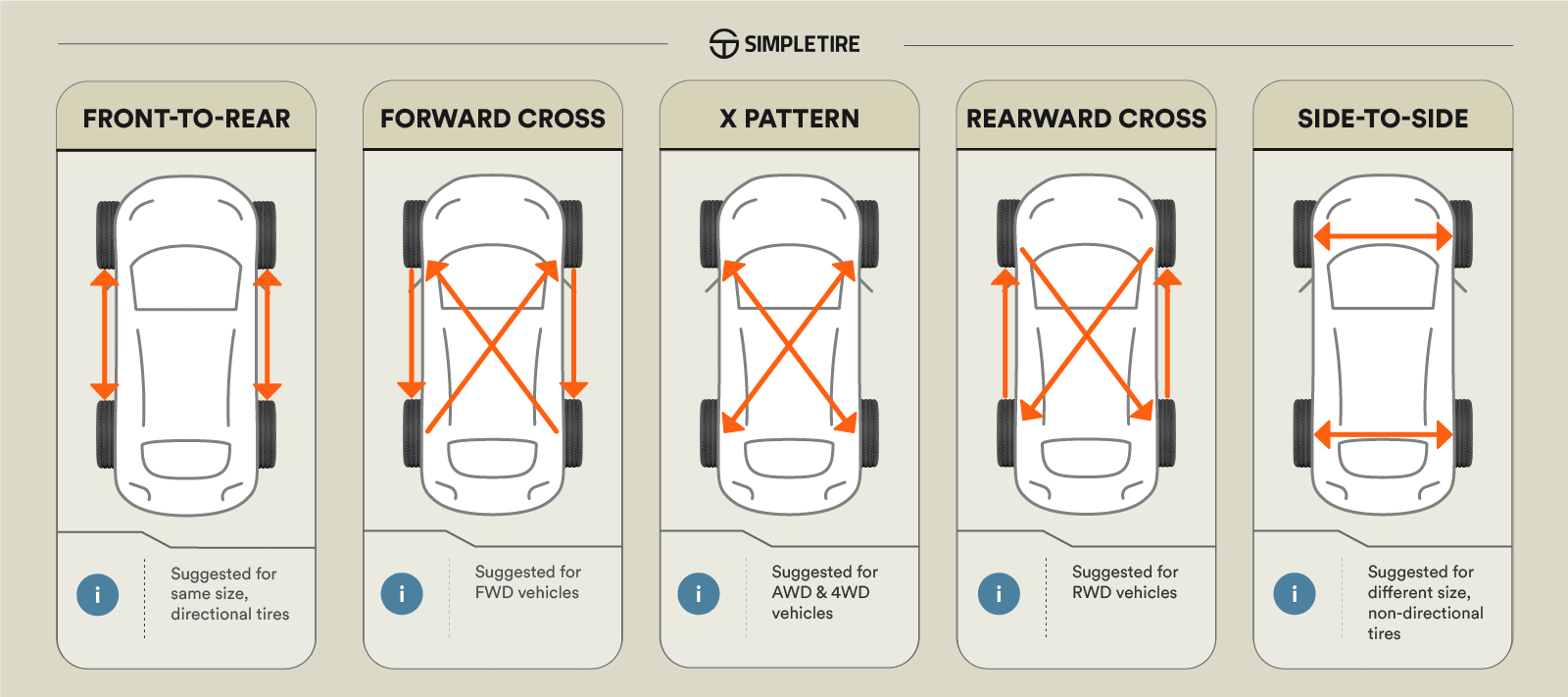
Tire rotation is the practice of periodically changing the position of each tire on your vehicle to promote even wear. This matters because your vehicle's weight distribution and the forces on each tire while driving aren't equal—front tires often bear more weight and face the added stresses of steering and braking.
The Importance of Even Tire Wear
Over time, these uneven forces can cause the front tires to wear more quickly than the rear ones. By rotating your tires regularly, you can ensure that all four tires wear at a more consistent rate, which helps to extend their overall lifespan. This not only saves you money on premature tire replacements but also helps your vehicle maintain optimal traction and handling.
Recommended Tire Rotation Intervals
Most vehicle manufacturers recommend rotating your tires every 5,000 to 8,000 miles or at every other oil change. However, it's always best to consult your owner's manual for specific recommendations. Some vehicles, particularly those with unique tire setups or high-performance tires, may require more frequent rotations.
What is Wheel Alignment?
Wheel alignment involves fine-tuning the angles of your vehicle's wheels to match the manufacturer's specifications. This adjustment is crucial to ensure the tires maintain proper contact with the road. Misaligned wheels can compromise vehicle performance and lead to various issues that require attention.
Does Tire Rotation Affect Alignment?
A common concern for DIY mechanics is whether tire rotation affects alignment. The short answer is no. Moving a tire from the front to the back does not change the vehicle's suspension angles (camber, caster, or toe). Alignment issues come from worn suspension components, potholes, or curbing a wheel—not from simply changing the tire's position.
The Wheel Alignment Process
Adjusting wheel alignment involves setting these three primary angles:
- Camber: The vertical tilt of the wheels when viewed from the front.
- Caster: The angle of the steering pivot as seen from the side.
- Toe: The angle at which the wheels turn inward or outward when viewed from above.
Tire Rotation vs. Wheel Alignment: What's the Difference?
Tire rotation and alignment each serve unique purposes. Understanding the difference helps you schedule these services effectively and keep your tires performing at their best.
Tire Maintenance Tips for Optimal Performance
Regular tire maintenance is vital to ensure your vehicle's safety and efficiency. By following these simple routines, you can significantly extend your tires' lifespan and improve performance.
- Check Tire Pressure Regularly: Ensure tires are properly inflated to maintain even wear and fuel efficiency.
- Monitor Tread Depth: Use the penny test to ensure you have at least 2/32" of tread.
- Inspect for Damage: Look for bulges, cuts, or punctures in the sidewall.
- Protect Your Purchase: Consider tire replacement coverage for peace of mind against road hazards.
By prioritizing alignment and tire rotation, you can ensure your vehicle performs at its best while maximizing tire life and safety. At SimpleTire, we are committed to making tire buying and maintenance as simple and affordable as possible. Shop for tires online at SimpleTire and find the best tire deals to keep your vehicle running smoothly for miles to come.
While both can be done in either order, most experts recommend performing the tire rotation first. This allows the technician to align the vehicle with the tires in the positions they will occupy for the next several thousand miles, ensuring the most accurate adjustment for real-world driving.
No, rotating your tires will not knock your vehicle out of alignment. Alignment is a measurement of the suspension system's angles. However, if your tires were already wearing unevenly due to a bad alignment, moving them to new positions might make a pre-existing alignment pull more noticeable.
You may also be interested in:
Top Causes of Noisy Tires & How to Fix Them | SimpleTire
Tired of loud tires? Discover the common causes of tire noise, from wear and inflation to road conditions. Learn practical tips and solutions to quiet your ride and improve your driving experience.
Written by Irfan Khan
October 8, 2026
Essential Tips for Tire Balancing at Home
Learn essential tips for tire balancing at home to improve ride quality, extend tire life, and ensure a smooth, safe driving experience.
Written by Ankit Verma
October 5, 2026
Understanding Tire Size Meaning and Importance
Decipher tire size codes! Learn what each number means and why it matters for safety and performance. Find the perfect fit for your vehicle.
Written by SimpleTire
September 23, 2026
Ready to find the perfect tires?
Search By