Tire Buying Guides
Free shipping
Best price guarantee
SimpleCrew exclusive savings
0% APR Financing
Tire replacement coverage
24/7 roadside assistance
Easy returns
Flat tires are the bane of every driver's existence, often occurring at the most inopportune moments. Investing in ** puncture-proof tires** can significantly reduce your chances of being stranded on the side of the road or missing an important appointment. This guide explores how these advanced tires work and whether they are the right choice for your driving needs.
Last updated 9/14/2026 - Originally published 2/24/2025
Written by Irfan Khan, Expertly reviewed by Brett Antosh
What Are Puncture-Proof Tires?
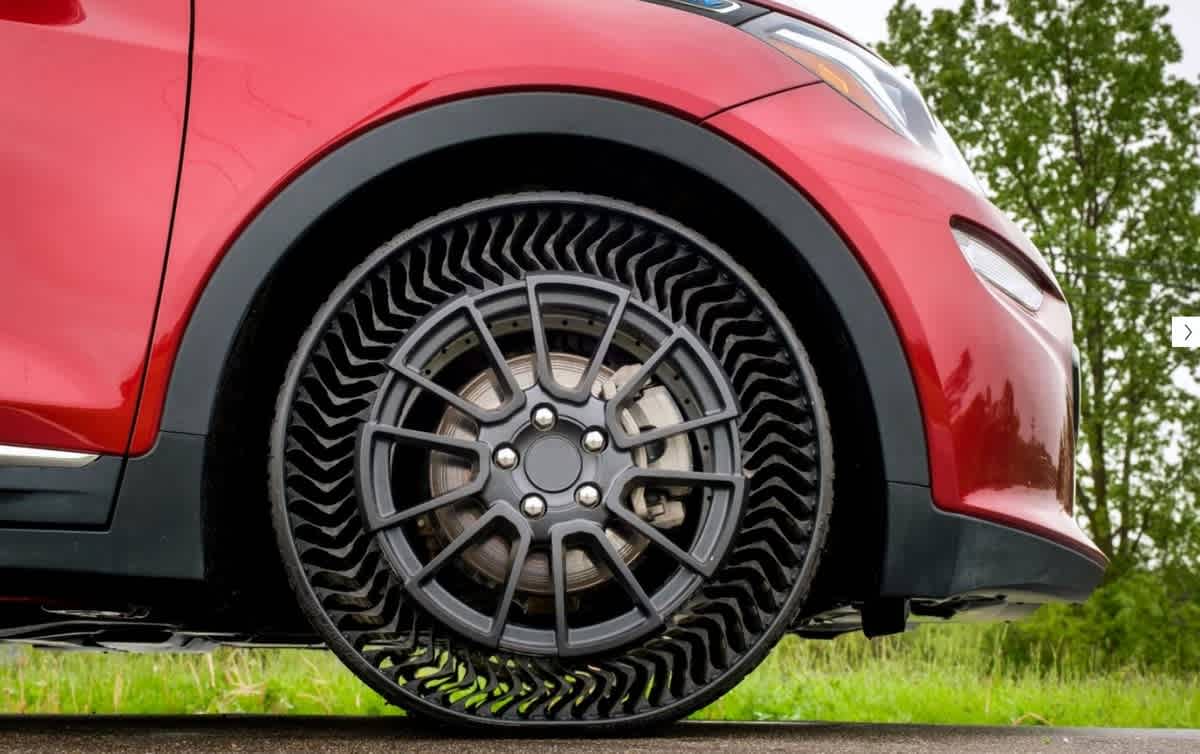
Puncture-proof tires are engineered to minimize the risk of flats caused by sharp objects like nails, glass shards, or thorns. These tires feature reinforced construction, including protective layers beneath the tread to maintain structural integrity.
- Reinforced Belts: Often constructed with Kevlar or high-tensile steel to deflect sharp objects.
- Self-Sealing Liners: Internal chemical sealants that automatically plug holes up to a certain diameter.
- Thicker Tread Base: Extra rubber compounds that provide a deeper barrier against road hazards.
- Run-Flat Technology: Specialized sidewalls that support the vehicle even after a total loss of air pressure.
While no tire is completely indestructible, these models significantly reduce the likelihood of a flat tire compared to standard options. When shopping at SimpleTire, it's essential to consider your specific needs, such as vehicle type and typical road surfaces, to find the best fit for your budget.
Benefits of Puncture-Resistant Technology
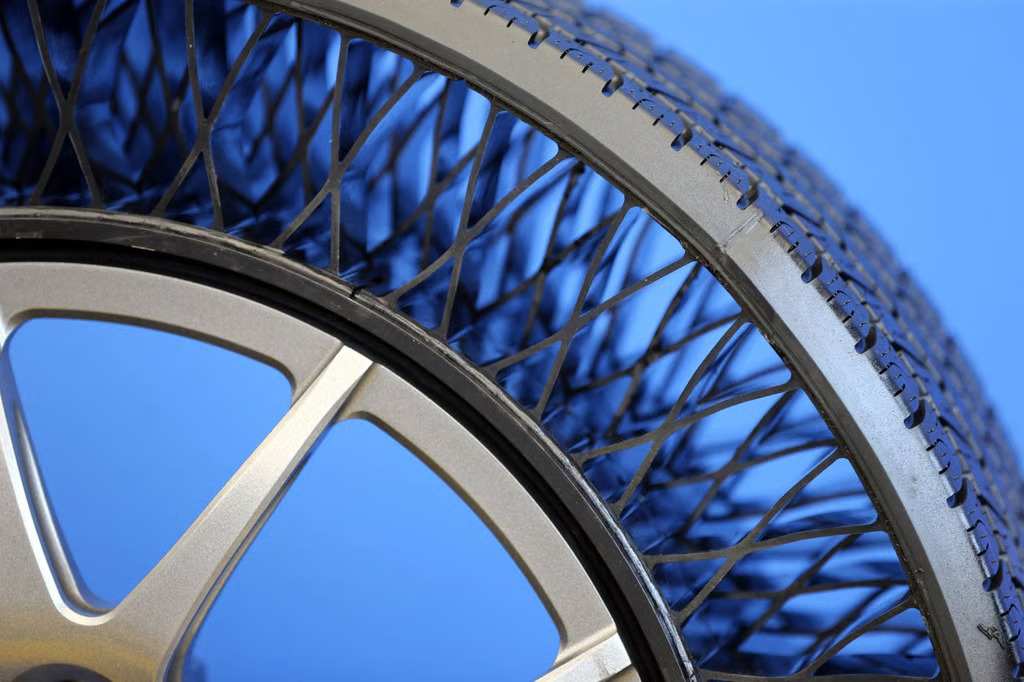
Enhanced Safety
These tires significantly improve road safety by reducing the chance of sudden flats. With fewer unexpected tire issues, you're less likely to be caught off guard by a sudden loss of control. This feature is invaluable on highways or in unpredictable weather, providing a more secure driving experience.
Cost Savings
Although reinforced tires can cost more upfront, the long-term savings are clear. By reducing the need for frequent tire changes and repairs, these tires help keep maintenance expenses down. For fleet operators and commercial drivers, this means less time off the road, which boosts productivity.
Greater Peace of Mind
The assurance of high-durability tires lets drivers start their journeys with confidence. Without constantly worrying about flats, drivers can enjoy the road ahead with ease. This peace of mind transforms every trip into a more pleasant adventure, regardless of the terrain.
Drawbacks to Consider
Potentially Higher Cost
Investing in specialized tires involves a notable upfront expense, driven by the advanced materials used. These tires use technologies that improve durability, which can raise their price compared to regular tires. At the same time, the upfront cost may matter, so weigh it against potential savings from reduced maintenance, especially if you frequently travel on debris-laden roads.
Possible Trade-Offs in Performance
The robust design may change driving dynamics. With extra protection layers, some tires can feel firmer. Some drivers might notice differences in ride smoothness or steering precision. However, modern innovations from brands like Continental tires and Pirelli tires have improved these aspects, balancing durability and comfort.
Anti-Puncture Tires: Technology and Maintenance Tips
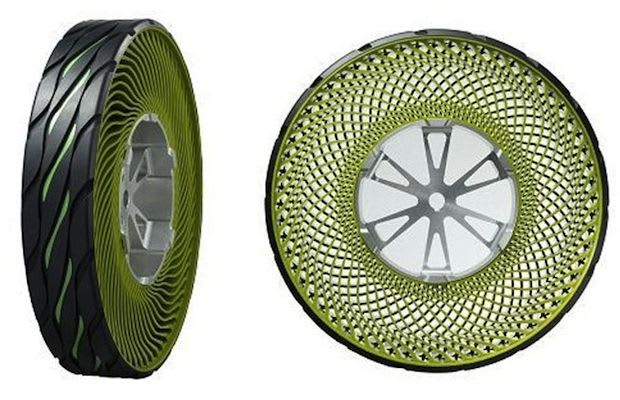
When looking for anti-puncture tires, it helps to understand the available technologies. Manufacturers often use two primary methods: self-sealing layers and reinforced internal bracing.
Comparison: Standard vs. Anti-Puncture Tires
| Feature | Standard Tires | Anti Puncture Tires | | :--- | :--- | :--- | | Material | Standard Rubber Compounds | Kevlar/High-Tensile Steel Reinforcement | | Puncture Response | Immediate Air Loss | Self-Sealing or Run-Flat Support | | Durability | Moderate | High Resistance to Sharp Debris | | Best For | City Commuting | Construction Zones & Rural Roads |
To get the most out of your ** anti-puncture tires**, follow these maintenance tips:
- Inspect Regularly: Even if the tire doesn't go flat, sharp objects can lodge in the tread and cause long-term damage.
- Monitor Pressure: Use your TPMS or a manual gauge to ensure your tires are at the manufacturer-recommended PSI.
- Rotate Every 5,000 Miles: This ensures even wear across the reinforced tread blocks, extending the life of your all-season tires.
Choosing the Right Tires
Choosing tires requires a thoughtful approach. If your routes often include hazards like nails or sharp debris, consider tires with strong protective layers. Start by checking your vehicle's owner's manual or consulting a knowledgeable tire expert.
When exploring options, focus on brands with a solid reputation for quality. Choose manufacturers that back their products with strong warranties. Reading reviews from other drivers can also help, as they offer practical insights into real-world performance and expected lifespan.
The Bottom Line
Navigating the complexities of tire choice requires attention to the benefits and limitations of specialized options. For drivers who traverse challenging terrains or urban environments where debris poses a regular threat, these tires offer a strategic advantage. Their reinforced construction serves as a protective barrier against unexpected interruptions.
Assess your specific needs and circumstances to determine whether these tires can enhance your driving experience. The initial cost may be higher, but fewer roadside repairs can often offset the investment. Your safety and peace of mind are paramount. SimpleTire is committed to helping you find the perfect tires for your unique needs. Shop for tires online with us today and discover the best deals to keep you rolling with confidence.
Not exactly. While all run-flat tires are designed to handle air loss, not all puncture proof tires are run-flats. Puncture-resistant tires focus on preventing the hole from occurring in the first place, whereas run-flats focus on keeping you moving after the air is gone.
In many cases, yes. If the object pierces the tire in the tread area and the hole is within a certain size (usually 1/4 inch), it can often be repaired. However, punctures in the sidewall generally require a full tire replacement.
You may also be interested in:
Speed ratings inform automakers and vehicle owners of the maximum speed capability of their tires. Here’s everything else you should know about tire speed ratings.
Written by SimpleTire
September 17, 2026
Tire load rating is important to consider for the assurance of vehicle safety. Find excellent information on tire facts & load ratings specifically at SimpleTire.com.
Written by SimpleTire
September 15, 2026
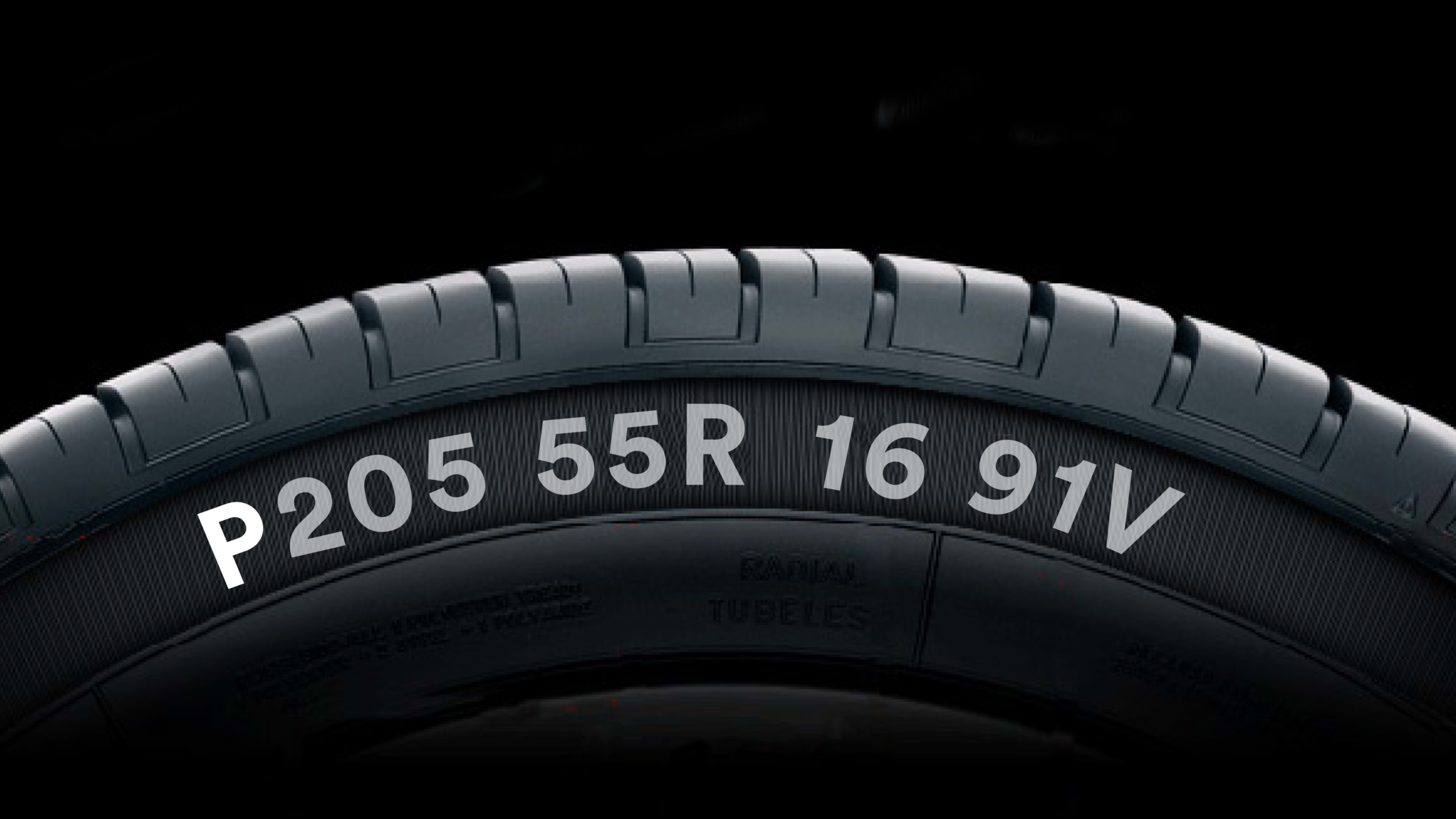
Reading the size on your tire’s sidewall and noticed there’s a P? Learn more about what the P in your tire size means and how to shop for the tire size at SimpleTire.
Written by Irfan Khan
September 14, 2026
Ready to find the perfect tires?
Search By