- Tread Depth: Typically 12/32" to 15/32" (vs. 10/32" for standard tires).
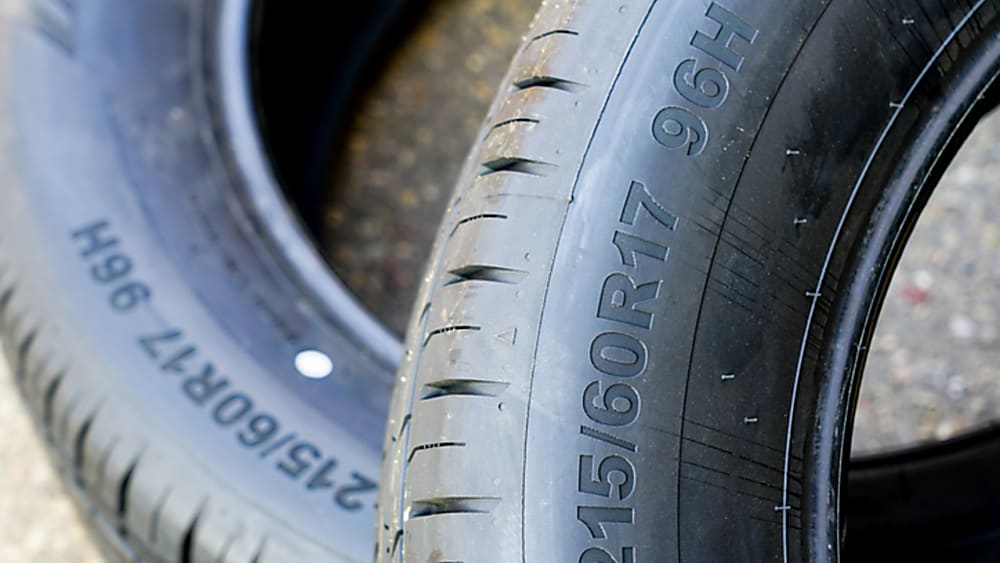
- Speed Rating: Usually S (112 mph), T (118 mph), or H (130 mph).
- Winter Certification: Look for the 3PMSF (Three-Peak Mountain Snowflake) symbol.
- Service Life: Generally 40,000 to 60,000 miles.
1. All-Terrain vs. The Competition
Understanding where A/T tires sit in the performance spectrum is critical for proper vehicle application.
- All-Terrain: 70% on-road, 30% off-road. Best for weekend adventures, but gives moderate road noise.
- Highway: 100% on pavement use for commuter trucks and SUVs. Great on-road, but poor traction in mud and dirt.
- Mud-Terrain: 20% on-road, 80% off-road. Best for rock crawlers and off-roaders, but very noisy and poor fuel economy on the road.
- Rugged Terrain: 50% on-road, 50% off-road. Best for overlanders and provides mud-terrain-like traction with all-terrain-like ride comfort. That said, this tire type is typically heavier than all-terrain tires.
2. Who Needs All-Terrain Tires?

A/T tires are not just for off-road enthusiasts; they are a functional choice for specific vehicle types and lifestyles:
- Vehicle Types: Light pickups (Ford F-150, Chevy Silverado), SUVs (Jeep Wrangler, Toyota 4Runner), and Crossovers with AWD (Subaru Forester, Toyota RAV4).
- The Weekend Warrior: Drivers who commute during the week but visit campsites, trailheads, or boat ramps on weekends.
- Rural Residents: Those living on unpaved or poorly maintained gravel roads.
- Towing & Hauling: Drivers who need reinforced sidewalls to support trailers or heavy payloads in the truck bed.
3. Key Technical Features
A/T tires use specialized engineering to handle the transition from smooth asphalt to jagged rocks:
- Reinforced Sidewalls: Often built with 2 or 3 plies of polyester or nylon to prevent "sidewall pinching" or punctures from sharp rocks.
- Open Shoulder Blocks: Large gaps on the outer edge of the tire help eject mud and prevent the tread from "slicking over" in soft terrain.
- Stone Ejectors: Small ribs inside the grooves that pop stones out, preventing them from drilling into the tire's internal steel belts.
- Siping: Thousands of tiny slits in the tread blocks that provide "biting edges" for traction on ice and wet pavement.
4. Advantages & Trade-offs of all-terrain tires
While versatile, all-terrain tires involve specific compromises that impact daily driving.
ADVANTAGES
- Year-Round Versatility: Many are Three Peak Mountain Snowflake (3PMS) certified, eliminating the need for separate winter tires in moderate climates.
- Durability: Tougher rubber compounds resist "chipping" and "tearing" on rough surfaces.
- Aggressive Aesthetics: Provides the "rugged" look many truck and SUV owners desire.
DISADVANTAGES
- Fuel Economy: The higher rolling resistance of aggressive tread can decrease MPG by 1–3%.
- Road Noise: The "hum" at highway speeds is louder than standard highway tires due to air moving through the wide tread gaps.
- Braking Distance: On dry pavement, the smaller contact patch (due to large grooves) may slightly increase stopping distances.
When choosing between all-terrain tires, use this checklist:
- Check the "Ply Rating": If you tow heavy trailers, look for Load Range E (10-ply) tires for maximum stability.
- Verify the 3PMSF Symbol: If you live in a snowy climate, ensure the tire has the "Mountain Snowflake" icon, not just an "M+S" (Mud and Snow) rating.
- Prioritize Variable Pitch: If you hate road noise, look for tires advertised with "Variable Pitch Tread," which uses offset block sizes to cancel out sound frequencies.
Summary and Next Step
All-terrain tires are the ideal compromise for drivers who refuse to let the pavement limit their journey. They offer the puncture resistance of a work tire with the year-round safety of a winter tire.