Compare
Used Tires: Pros, Cons, and How to Choose
Free shipping
Best price guarantee
SimpleCrew exclusive savings
0% APR Financing
Tire replacement coverage
24/7 roadside assistance
Easy returns
Compare
Whether you are looking to save money or find a quick replacement, understanding the trade-offs of new tires vs used tires is essential for road safety. While pre-owned rubber offers an attractive price point, new tires prioritize tread life and structural integrity.
Below is a breakdown of what you need to know when weighing used tires vs new to ensure your vehicle remains reliable.
Used tires are units previously operated on another vehicle. They are typically sourced from trade-ins, salvaged vehicles, or owners upgrading their sets. Quality tires undergo a retreading process or rigorous inspections to ensure they meet safety standards.
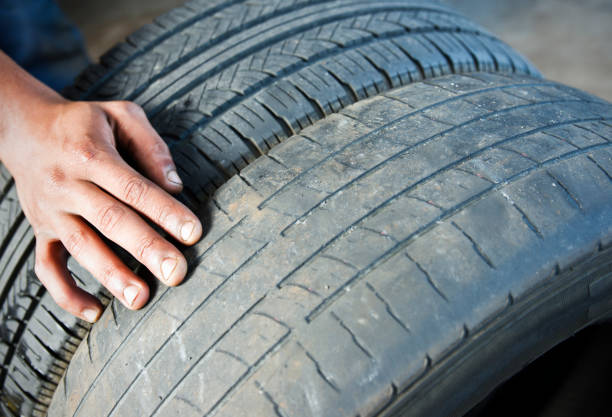
When comparing used vs. new tires, the primary motivator is usually the upfront price tag. However, these perceived functional benefits often mask significant liabilities:
The biggest risk isn't the tread you see—it's the structural integrity you don't. Used tires may have internal belt separations or heat damage from being run under-inflated by the previous owner, none of which is visible to the naked eye until the tire fails at highway speeds.
The debate of new tires vs used tires usually centers on the "unknowns."
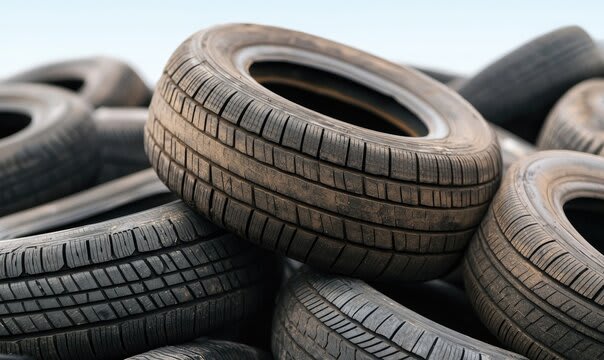
To determine if used tires vs new is the right move for you, perform these checks before purchasing:
While the upfront price of used tires vs new is lower, the "cost per mile" often tells a different story. To maximize your investment and safety, consider these specific scenarios where buying new from SimpleTire is the superior choice:
Choosing between used vs new tires ultimately depends on your driving habits. If you commute long distances at high speeds, the peace of mind offered by new tires is often worth the investment. For a secondary vehicle or a car nearing the end of its life, used tires can be a pragmatic choice.
For the best of both worlds, including competitive pricing on top-tier brands, visit SimpleTire to browse an extensive inventory of reliable options.
You may also be interested in:
Bridgestone Potenza Sport A/S vs Continental ExtremeContact DWS06 Plus tires
Potenza Sport and ExtremeContact DWS06 Plus are two of the best tire lines on the market, but which one is best for you? Let’s break it down with SimpleScore.
Continental TrueContact Tour 54 vs Bridgestone Turanza QuietTrack tires
TrueContact Tour 54 and Turanza QuietTrack are two of the best tire lines on the market, but which one is best for you? Let’s break it down with SimpleScore
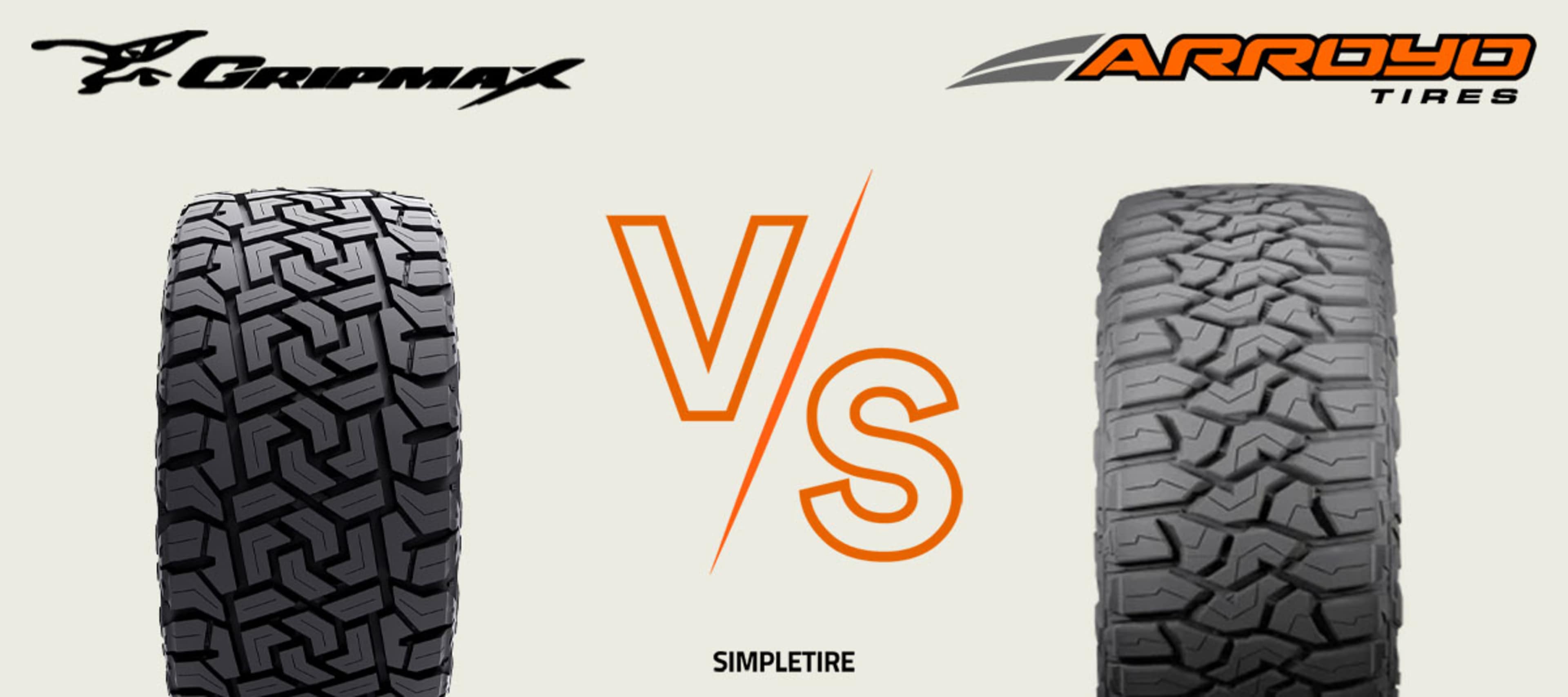
Gripmax MaxGrip X/T vs Arroyo Tamarock R/T tires
MaxGrip X/T and Tamarock R/T are two of the best tire lines on the market, but which one is best for you? Let’s break it down with SimpleScore.
Search By