All-Terrain vs. Rugged-Terrain vs. Mud-Terrain Tires: A Complete Guide
Choosing the right tires for your pickup truck or SUV is about balancing your daily commute with your weekend adventures. This guide explores the critical differences between AT, RT, and MT categories to ensure your vehicle is equipped for any landscape.
What Are All-Terrain Tires (AT)?
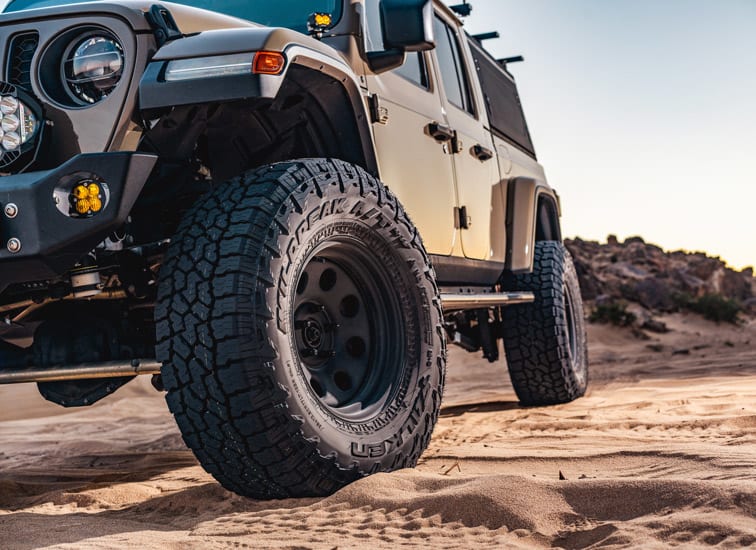
All-terrain tires (AT) are designed to be the "jack of all trades." They are the most popular choice for drivers who spend 80% of their time on the pavement but still need reliable grip for camping trips, gravel roads, or light mud.
- Tread Design: Features a wide void ratio to help shed mud and debris, usually with deep tread depth and shoulder lugs for lateral grip.
- Winter Readiness: The best all-terrain tires often carry the 3-Peak Mountain Snowflake (3PMSF) certification for severe winter service.
- Best For: Commuters who also enjoy light off-roading, ranch roads, and weekend fishing or camping trips.
What is a Rugged-Terrain Tire?
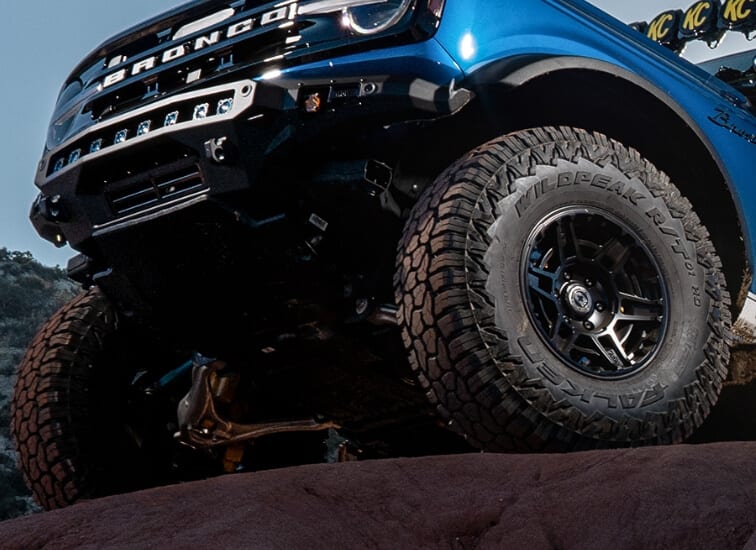
A rugged-terrain tire is a hybrid tire designed to bridge the gap between all-terrain (AT) and mud-terrain (MT) models. These tires offer the aggressive aesthetics and off-road durability of a mud tire while maintaining the relatively quiet highway performance of an all-terrain tire.
Key Features of Rugged-Terrain Tires:
- Hybrid Tread Patterns: Large tread blocks for off-road grip combined with optimized spacing for on-road comfort.
- Reinforced Sidewalls: Often featuring 3-ply construction to prevent punctures during rock crawling.
- Enhanced Aesthetics: Rugged, "mean" look that fills out the wheel wells of modern trucks and SUVs.
- Versatile Traction: Superior performance in deep mud and snow compared to standard AT tires.
Rugged-Terrain vs All Terrain: Choosing the Right Hybrid
When comparing rugged-terrain vs all-terrain options, the RT is the more aggressive cousin. If you find yourself asking what RT means on tires, you are looking at a tire built for "rough terrain."
- Durability: While AT tires are sturdy, rugged-terrain tires feature damage-resistant compounds and reinforced sidewalls for heavy-duty use.
- Traction: In the battle of all-terrain vs rugged-terrain, the RT wins in deep mud or loose sand, whereas the AT wins in fuel efficiency and quietness on the highway.
- Performance: Many of the best rugged-terrain tires, like the Falken Wildpeak R/T01, are designed with 3PMSF ratings, making them excellent in heavy snow.
What Are Mud-Terrain Tires (MT)?
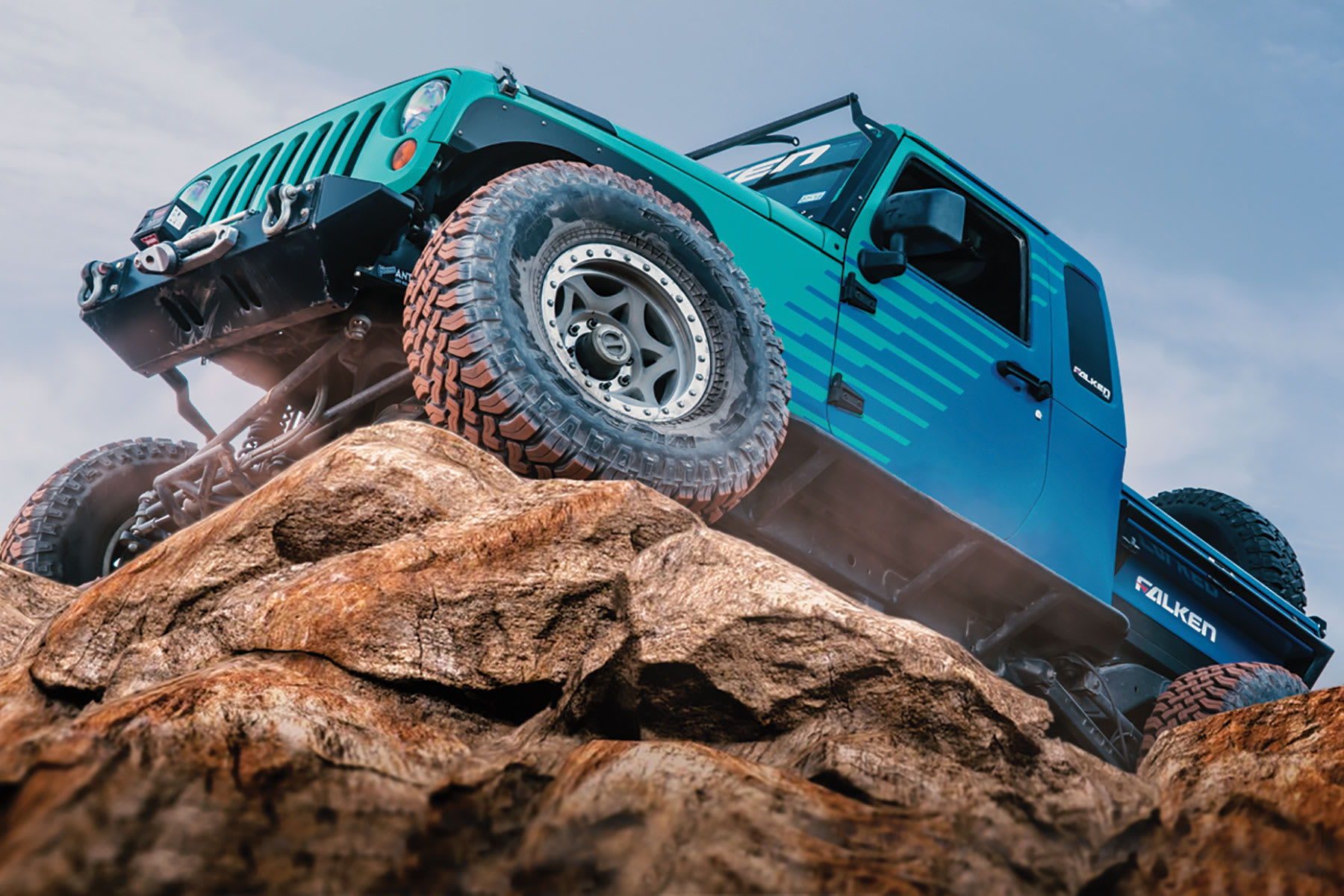
Mud-terrain (MT) tires are the extreme specialists. When analyzing RT vs MT tires or mud tires vs all-terrain options, remember that MTs are purpose-built for the nastiest, stickiest conditions.
- Construction: They feature massive tread blocks, deep grooves, and heavy-duty, puncture-resistant sidewalls.
- Off-Roading: They can be "aired down" to low pressures to conform around boulders and logs.
- Trade-offs: Mud-terrain tires are often noisier, heavier, and less fuel-efficient than their AT or RT counterparts.
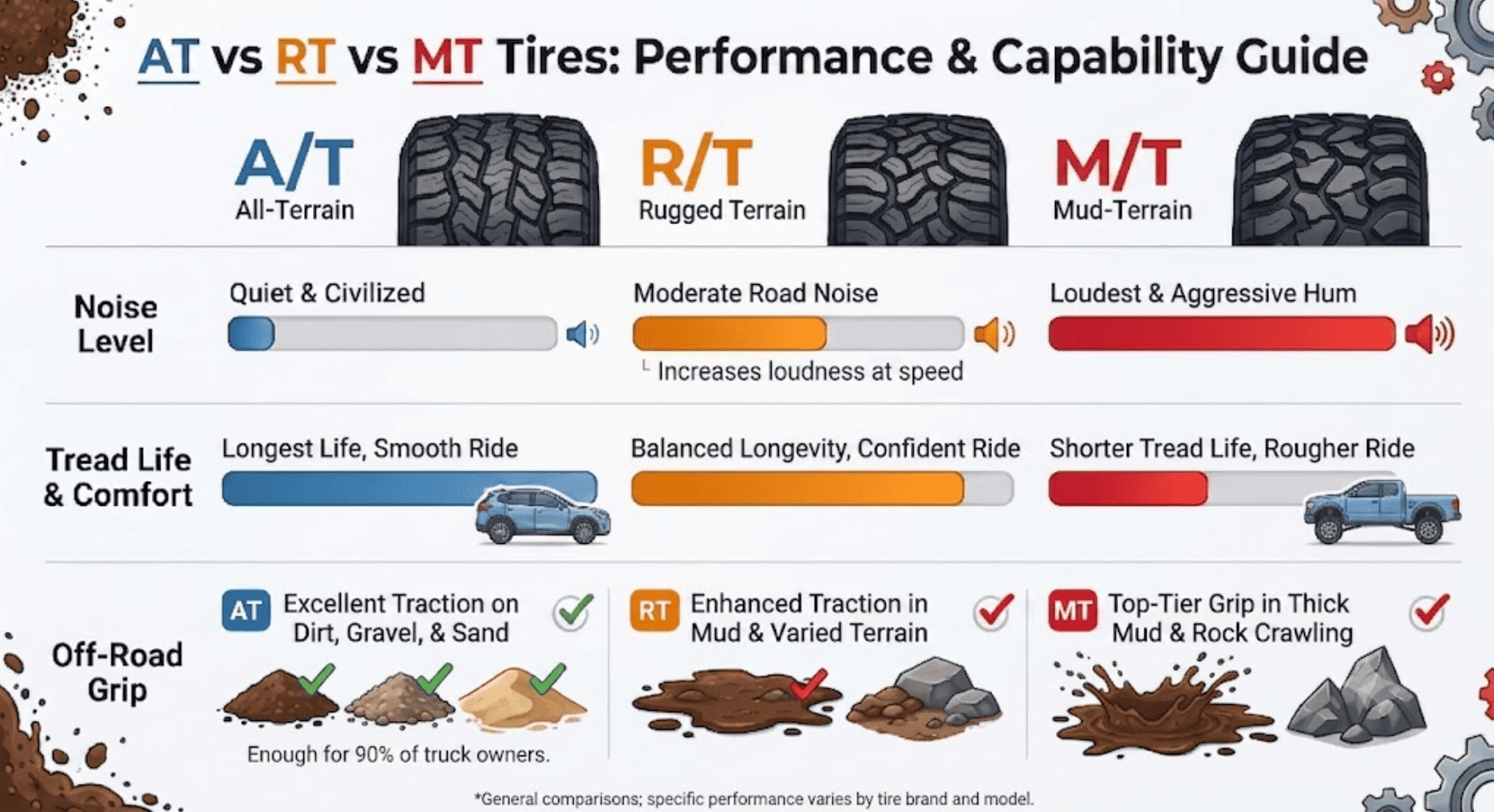
Understanding the nuances of AT vs RT and RT vs MT tires is essential for a happy ownership experience.
- AT: Civilized, predictable, and quiet. Ride quality is similar to Grand Touring tires.
- RT: Designed for highway composure, though they may produce slightly more road noise than ATs.
- MT: Tends to be the loudest and roughest on pavement. You may experience a "choppy" ride.
Off-Road Capability
- AT: Excellent for hardpack dirt, gravel, and sand. Enough for 90% of truck owners.
- RT: Enhanced traction in deep mud. Designed for situations where a standard AT might get bogged down.
- MT: The top of the heap. They handle thick mud and steep rock crawling where other tires would leave you stranded.
Maintenance Tips for Rugged-Terrain Tires
To get the most out of your rugged-terrain tires, follow these expert maintenance steps:
- Frequent Rotations: Because of their aggressive tread, RT tires should be rotated every 5,000 miles to prevent uneven wear.
- Pressure Checks: Ensure you are running the manufacturer-recommended PSI for highway driving to maximize fuel economy.
- Alignment: Off-roading can easily knock your vehicle out of alignment; check this after every major trail run to preserve tread life.
Which One Should You Choose?
- Choose All-Terrain tires if: You drive your truck daily, value a quiet ride, and only occasionally venture onto dirt roads.
- Choose Rugged-Terrain tires if: You need more durability for ranch or job-site work, want an aggressive look, and need more grip than an AT provides without the full noise penalty of a mud tire.
- Choose Mud-Terrain tires if: You are a serious off-roader who spends weekends mud-bogging or rock crawling.
Regardless of your choice, getting the right set makes all the difference. You can buy automotive tires like Nitto or other top brands online for less at SimpleTire to browse thousands of options and read real-world customer reviews.
